Factory Low Cost Office Building Hotel Luxury Passenger Elevator

This factory low cost luxury passenger elevator offers an appealing combination of affordability, reliability, and refined design for office buildings, hotels, and mid-rise commercial spaces. It is engineered to serve medium-traffic environments with a capacity tailored to eight to ten passengers, delivering a comfortable ride without the premium price tag commonly associated with high-end lifts. The elevator is an attractive option for developers and property managers who need dependable vertical transport that enhances the building experience while keeping project budgets in check.
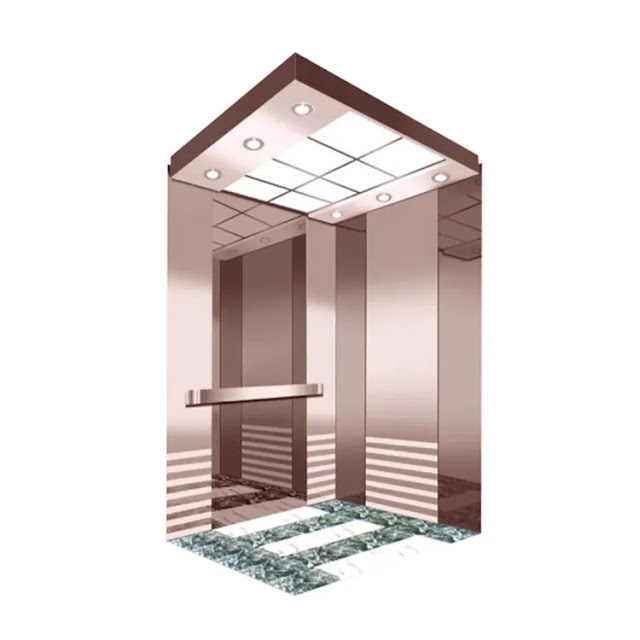
The elevator’s cabin is thoughtfully designed to create a sense of space and calm. Materials and finishes are selected to look premium while remaining cost-effective. Stainless steel panels, tempered glass options, and discreet LED lighting give the interior a clean, modern look. The cabin dimensions are optimized to accommodate groups comfortably, with ample standing room and handrail placement that supports passenger stability. The flooring choices, from resilient vinyl to easy-care stone-look options, balance aesthetics with durability for high-use settings.
Smooth, quiet operation is a core strength. The drive system combines an efficient traction motor with precision controls to ensure stable acceleration, precise leveling, and gentle deceleration. This contributes to passenger comfort and reduces the perception of mechanical motion. Hotels and offices particularly benefit from the low noise profile, preserving the quiet atmosphere in guest corridors and meeting floors. The control logic is configured to prioritize both ride quality and energy efficiency, ensuring consistent performance through daily peaks and lulls in traffic.
Safety is integral to the design. The elevator includes essential safety features such as door interlocks, emergency stop capability, overload detection, and mechanical braking redundancy. In the event of a power interruption the emergency lowering or backup power system brings the cabin to a safe floor and allows passengers to exit. Modern sensor systems monitor door operation and cabin conditions to reduce the chance of interruptions or unsafe movement. These protections align with expected international safety standards for commercial passenger lifts.
Installation flexibility is a practical advantage. The factory modular approach minimizes on-site construction time compared with fully custom-built shafts. Prefabricated modules can be adapted to common shaft sizes and retrofit scenarios, enabling installation in existing buildings with limited structural changes. This modularity also simplifies logistics and reduces labor costs, making the elevator an attractive choice for projects with tight schedules or constrained budgets. Building owners appreciate a streamlined installation that minimizes disruption to tenants or hotel operations.
Energy efficiency has been considered at multiple levels. The traction system is optimized to reduce electrical consumption during normal operation, and regenerative drive options are often available to recover energy during descent. LED cabin and shaft lighting consume significantly less power than older lighting solutions, and intelligent control systems reduce standby energy usage. Over the lifespan of the elevator, these efficiencies translate into measurable operational savings, which is particularly valuable for properties where multiple elevators run daily for many years.
Durability and maintenance simplicity are designed into the product. Components are selected for longevity and ease of service; guide rails, door mechanisms, and control electronics are accessible to technicians, and many common parts are standardized to reduce downtime. Remote diagnostic features allow maintenance teams to monitor performance and identify issues early, enabling more proactive service and less emergency repair. For property managers this means predictable maintenance schedules and lower lifecycle costs compared with bespoke systems requiring specialized parts.
Customization options let the elevator reflect the identity of a building. While keeping the base price low, the manufacturer offers optional upgrades for cabin finishes, door treatments, and control interfaces. Choices can range from mirrored stainless steel walls and wood-look veneers to full-height glass panels for a more open cabin feel. Control panels can be classic push-button styles or modern touch displays with floor indication, accessibility features, and integrated signage. For hotels that want to emphasize brand aesthetics, these options allow a tailored experience without excessive cost escalation.
Accessibility is a key concern in modern design, and this elevator addresses it thoughtfully. Door widths and cabin layout accommodate wheelchair users and those with mobility aids, and control heights are set to be reachable by seated passengers. Audible floor announcements and visual indicators support passengers with vision or hearing impairments. The smooth start and stop profile makes transitions gentle for people with balance concerns. These accessibility features ensure the elevator provides inclusive service across a diverse tenant or guest population.
Operational efficiency in multi-elevator installations is supported by intelligent dispatching. Where multiple units serve a building, allocation algorithms minimize wait times and reduce unnecessary trips. During peak periods the system can prioritize volume and predict traffic flows. For hotels with high variability in movement patterns, adaptive control strategies ensure guests and staff experience timely service. This improves the perceived quality of vertical transport and contributes positively to overall building logistics.
From a guest or occupant perspective, the passenger experience is both comfortable and reassuring. The cabin lighting is warm and even, ventilation maintains a pleasant atmosphere, and the ride dynamics prioritize smoothness. The door operation is designed to be dependable and unobtrusive. In hotel contexts, guests often perceive the elevator as part of the property’s service standard; a lift that runs reliably, looks polished, and feels quiet supports a positive first impression and consistent guest satisfaction.
Compliance with regulatory and safety codes is maintained through careful engineering. The elevator is configured to meet the standard requirements for passenger lifts in most jurisdictions, and the manufacturer supplies documentation and testing records to support inspections. This reduces administrative friction during installation and commissioning. For building owners, reliable compliance documentation and straightforward testing procedures mean faster approvals and predictable project milestones.
The cost-performance ratio is where this elevator shines. By concentrating development on high-volume, standardized components and an efficient factory production line, the manufacturer achieves lower unit costs that are passed on to buyers. This is particularly beneficial for developers of office buildings and hotels where multiple elevators may be required. The ability to buy a well-engineered lift without paying for bespoke manufacturing overheads enables better allocation of project budgets to other finishing or operational needs.
Longevity and lifecycle planning are factored into the elevator’s value proposition. The combination of quality materials and accessible maintenance means the system can remain reliable across many years of service. When replacements are needed, the standardized design makes it simpler to source parts and implement upgrades. The manufacturer’s support network often includes training for local technicians and a supply chain for replacement components, which helps preserve uptime and extends the useful life of the installation.
Aesthetic impact also matters in commercial spaces. The elevator design is meant to complement contemporary interiors with a restrained yet refined presence. It does not dominate the architecture but integrates into lobbies, corridors, and service cores. When glass or metallic finishes are selected, the elevator can contribute to a sense of transparency and modernity that aligns with brand messages for hospitality or corporate clients. The overall visual effect supports the building’s image without requiring extravagant expense.
For asset managers, the elevator’s predictable operating costs and maintenance profile simplify budgeting. Historic energy usage and maintenance intervals are lower than with older, less efficient lifts. This predictability helps with long-term financial planning, and the improved passenger throughput reduces indirect costs associated with delays or complaints. Hotels and offices benefit from the improved operational baseline, which supports day-to-day service consistency.
Integration with building systems is available for projects that require it. Control interfaces can be linked to building management systems for monitoring and coordinated operation during events or emergency situations. Fire recall, security lockout modes, and priority access can be configured to meet operational protocols. These integration capabilities mean the elevator can function as part of a broader building control strategy, enhancing safety and operational coherence.
In conclusion, this factory low cost luxury passenger elevator offers a pragmatic balance of performance, style, and affordability for office buildings, hotels, and similar commercial settings. It delivers a smooth, quiet ride, essential safety measures, and flexible installation options that reduce initial disruption and lifetime overhead. While it is economical, the elevator does not compromise on the passenger experience or on the robustness required of a commercial lift. For projects seeking reliable vertical mobility that supports both guest comfort and operational efficiency, it represents a compelling choice.
Click here to explore the Factory Low Cost Luxury Passenger Elevator and elevate your property’s standards today.
https://invl.me/cln0p6z


Comments
Post a Comment