3 Floor Small House Villa Lift Glass Cabin Hydraulic Lift Residential Home Elevators 2 Person

Introduction to Residential Glass Cabin Hydraulic Elevators
A 3-floor small house villa lift with a glass cabin is a stylish, functional, and space-efficient vertical transportation solution designed for modern residences, villas, and multi-level homes. Built with a hydraulic drive system, this residential home elevator combines smooth performance, premium aesthetics, and everyday convenience. It’s ideal for families looking to improve accessibility, enhance interior design, and elevate daily comfort for up to two people.
This comprehensive review covers how the lift works, key features, customization options, safety systems, installation basics, real-life benefits, and why it’s a smart long-term investment for residential living.
What Is a Glass Cabin Hydraulic Home Elevator?
A glass cabin hydraulic elevator uses a hydraulic piston and fluid system to raise and lower the cabin between floors. The cabin itself features glass walls or large viewing panels, offering an open, elegant feel that enhances interior space and allows natural light to flow through.
Hydraulic systems are ideal for residential settings because they provide quiet, smooth movement and require no overhead machine room, making them easier to integrate into existing homes with limited space.
How a Hydraulic Home Elevator Works
Hydraulic elevators operate through a simple but efficient system:
Hydraulic fluid is pumped into a piston or ram.
The piston pushes the elevator cabin upward.
To descend, fluid is released in a controlled manner.
The cabin lowers smoothly, with no jerks or bumps.
This method delivers comfortable acceleration and braking — perfect for residential use where gentle movement and low noise are priorities.
Why Choose a Glass Cabin Design
Glass cabin residential elevators offer both visual appeal and functional advantages:
Visual Openness — Transparent panels make interiors feel more spacious and modern.
Natural Light — Enhances lighting and reduces the need for artificial interior lighting.
Elegant Aesthetic — Complements modern home design and improves the overall look.
Increased Visibility — Riders can see each floor’s surroundings, increasing comfort.
A glass cabin elevates the everyday experience and adds a luxury touch to villas and small houses alike.
Two-Person Capacity for Everyday Use
This home lift is designed for up to two persons, making it ideal for small families, couples, or limited-space residences. A two-person capacity (typically around 250–350 kg) is ample for daily mobility needs while maintaining a compact footprint.
The lift comfortably accommodates:
One or two adults
Children
Small loads like groceries or laundry
Light furniture or household items
Because it’s sized for residential needs, its space efficiency is a key advantage.
Three-Floor Travel for Villas & Small Houses
Designed for up to three floors, this home elevator suits multi-story homes, split-level designs, and villa layouts. Whether you want to connect a basement, main floor, and second floor — or move between living, dining, and bedroom levels — a three-floor elevator enhances convenience.
A typical travel range for this residential lift is up to 9–12 meters of vertical distance, depending on your home’s architecture.
Hydraulic Drive System Benefits
Hydraulic systems are often preferred in home elevator installations for several reasons:
Quiet Operation — Minimal noise makes it suitable for homes with bedrooms near elevator shafts.
Smooth Ride — Gentle starts and stops improve rider comfort.
No Machine Room Needed — Saves space and reduces construction effort.
Reliable & Durable — Hydraulic components are robust and well-proven in residential use.
Smooth operation and simple design make hydraulic lifts a popular choice for villas and small domestic installations.
Safety Features for Home Elevators
Home elevators must prioritize safety for passengers of all ages. Typical safety systems include:
Emergency stop button
Automatic braking system
Door interlocks (ensures cabin doesn’t move if doors are open)
Battery backup or emergency lowering system
Anti-fall mechanisms
Overload sensors and alarms
These features work together to ensure safe and worry-free operation day after day.
Design and Customization Options
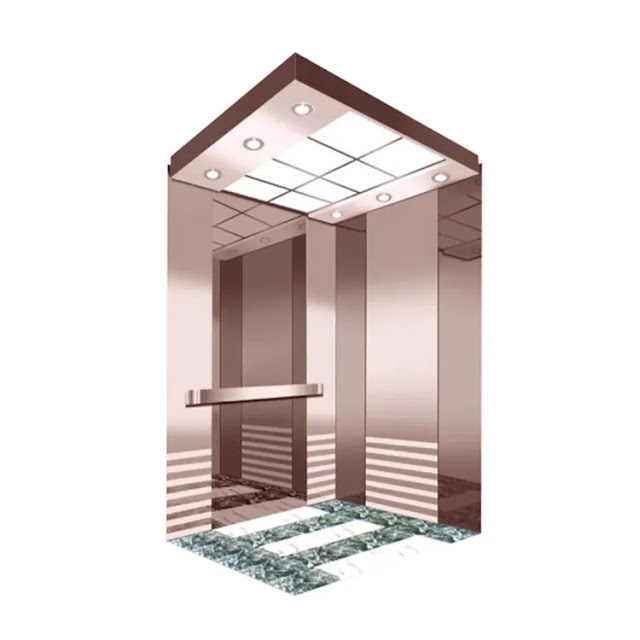
One of the advantages of residential elevators is customization. A glass cabin hydraulic lift can be tailored to match your home’s interior:
Glass Types – Clear, tinted, frosted, or patterned glass panels
Cabin Flooring – Wood, tile, vinyl, or marble effects
Lighting – LED cabin lighting, soft ambient lighting
Door Style – Manual or automatic swing/slide doors
Trim & Fixtures – Stainless steel, brushed metal, or designer accents
Personalized finishes ensure the elevator feels like a natural extension of your home’s style.
Installation Considerations
Professional installation involves several key steps:
Site survey and structural assessment
Designing the lift shaft and support structure
Electrical and hydraulic line setup
Mounting the hydraulic pump unit
CNC control wiring and safety interlocks
Testing and commissioning
Residential elevator installers coordinate with architects, electricians, and construction teams to ensure a seamless integration with your home layout.
Ease of Use for All Family Members
A home elevator should be intuitive and accessible:
Easy push-button controls
Clear floor indicators
Smooth start/stop for passengers of all ages
Low threshold doors for safe entry/exit
These design elements make the elevator appropriate for children, adults, and elderly family members alike.
Maintenance and Long-Term Reliability
Hydraulic elevators require regular but straightforward maintenance:
Check hydraulic fluid levels and seals
Inspect door mechanisms and safety sensors
Test control panel and emergency systems
Clean cabin glass and finishes
Lubricate moving parts where needed
With proper servicing, a hydraulic residential elevator can deliver years of reliable performance.
Benefits of Installing a Residential Elevator
Improved Accessibility — Eliminates stair-climbing challenges
Enhanced Convenience — Easy movement of people and goods
Modern Home Appeal — Adds lifestyle value and design sophistication
Property Value — Increases resale appeal and functional amenities
Peace of Mind — Safe and smooth vertical mobility for all ages
Hydraulic vs Other Elevator Technologies
Hydraulic Elevators — Best for low rise residential applications with smooth ride and no machine room.
Traction Elevators — Offer faster speeds and are common in commercial buildings, but typically require overhead machinery.
Pneumatic Vacuum Lifts — Compact and energy efficient but limited in capacity and travel height.
For three-story residential homes, a hydraulic system usually provides the best balance of comfort, cost, and performance.
Applications Across Residential Environments
Modern Homes — Easy access between floors for everyday life
Villas & Luxury Homes — Stylish and comfortable vertical travel
Multi-Generational Homes — Support for elderly or disabled residents
Rental Properties — Added amenity for tenants
Remodeled Homes — Ideal when staircase navigation is difficult
Conclusion: Comfort, Style, and Everyday Accessibility
A 3-floor small house villa lift with a glass cabin hydraulic system combines design elegance with practical convenience. With smooth operation, safety features, customization options, and reliable performance, this residential elevator enhances everyday life and adds long-term value to properties.
Whether you’re planning new construction or upgrading an existing home, this hydraulic home elevator is a smart investment that improves accessibility, comfort, and modern living.
Ready to transform your home with a safe, stylish, and smooth residential elevator?
Check full customization options, pricing, and installation details through the link below — and bring effortless vertical mobility to your villa today!


Comments
Post a Comment