Customization Residential Elevator – Small Home Lift Hydraulic Home Lift Elevator for Home Residential Villa Elevators for Person

Introduction to Residential Home Elevators
A customization residential elevator offers a practical, elegant, and space-efficient solution for homes, villas, and multi-level residential buildings. Small home lifts—especially hydraulic home lift elevators—provide reliable vertical mobility for individuals, families, and guests. Whether you want to enhance accessibility for elderly or mobility-challenged residents, improve convenience for daily living, or add premium value to your property, a residential elevator transforms the way people move between floors.
This complete overview explains how residential elevators work, key design features, customization options, safety standards, installation considerations, daily benefits, and why they are becoming an essential home improvement for modern living spaces.
What Is a Residential Elevator?
A residential elevator is a compact vertical transportation system designed specifically for homes and villas. Unlike commercial elevators, these home lifts are engineered for low to moderate travel speeds, shorter distances, and fewer passengers. They are ideal for personal use, connecting multiple floors of a private residence with comfort, design flexibility, and space efficiency.
Customizable residential elevators are tailored to suit architectural styles, interior finishes, cabin dimensions, load capacity, and control preferences.
Hydraulic Home Lift: How It Works
Hydraulic home elevator systems use hydraulic fluid and a piston mechanism to raise and lower the car smoothly. The system consists of:
Hydraulic pump and motor
Fluid reservoir
Piston or ram
Elevator cabin
Control unit
When the pump pushes fluid into the piston, the elevator rises. To descend, fluid is released in a controlled manner. The result is gentle acceleration and deceleration—ideal for residential use where comfort and quiet operation matter.
Hydraulic systems don’t require a machine room above the shaft, making them more compact and easier to integrate into existing homes or limited spaces.
Benefits of a Residential Hydraulic Elevator
Smooth & Quiet Ride – Hydraulic systems deliver vibration-free, whisper-quiet performance that enhances daily comfort.
Space-Efficient Installation – They require less overhead and can adapt to tighter shafts or small hoistways.
Reliable Performance – Fewer moving parts than traction systems mean predictable operation and lower routine maintenance.
Comfortable Accessibility – Ideal for families with children, elderly members, or individuals with mobility limitations.
Design Flexibility – Custom finishes, materials, controls, and cabin layouts allow elevators to match interior styles, from modern minimalism to timeless luxury.
Increased Property Value – Residential lifts add real estate value and appeal, especially in premium villas and multi-story homes.
Key Features of Custom Home Elevator Solutions
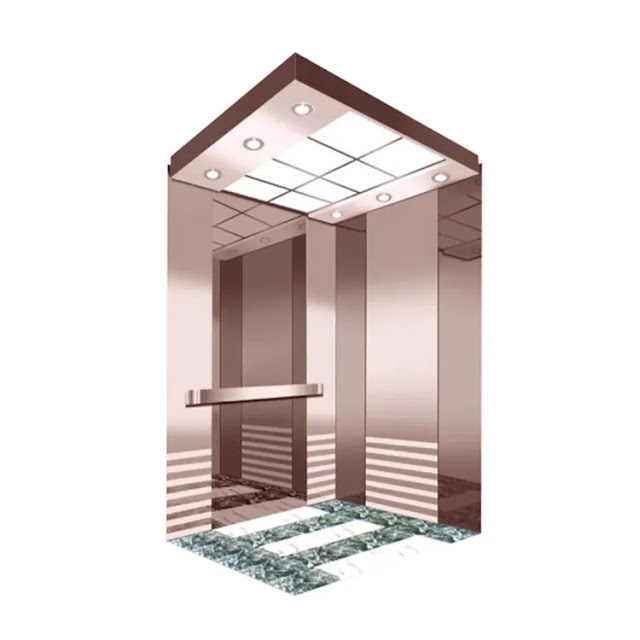
Cabin Customization – Choose from wood veneer, stainless steel, glass panels, laminate, LED lighting, and designer trims.
Control Selection – Options include push-button panels, touchscreens, keycard access, and smart home integration.
Door Configurations – Single slide, center open, manual or automatic doors based on space and preference.
Load Capacity Variants – Typically ranging from one to five persons (classic home elevators often start at 250–400 kg capacity).
Travel Distance – Designed for 2–5+ floor residential buildings. Hydraulic systems excel in medium travel distances.
Safety & Standards Compliance – Residential elevators must comply with local building codes and safety standards (e.g., EN81-41, ASME A17.1, accessibility regulations where applicable) to ensure safe operation for all users.
Personalized Sizes & Installation Options
Customization goes beyond aesthetics. Residential elevators can be sized to fit:
Compact shaft spaces in stair wells
Retrofit installations in existing homes
Open-well glass shaft designs for panoramic views
Utility closet conversions into elevator space
Professional designers and installers assess site conditions, floor plans, and structural feasibility before recommending optimum cabin size, pit depth, and overhead clearance.
Benefits of Hydraulic Lifts for Home Use
Hydraulic home elevators are often preferred in residential settings due to:
Smooth start/stop performance with low vibration
Quiet operation suitable for bedrooms and living areas
Less complexity than gearless traction systems
Cost-effective installation for mid-rise travel distances
Enhanced comfort for elderly or mobility-challenged users
These advantages make hydraulic home lifts ideal for everyday residential use.
Safety Features Built for Family Use
Residential elevators come with a suite of safety features:
Emergency stop and alarm buttons
Battery backup for power outages
Overspeed governor and safety brake system
Automatic leveling at floors
Door interlocks to prevent movement with doors open
Soft start/stop control for rider comfort
Safety features ensure peace of mind, making elevators suitable for users of all ages.
Installation Considerations
Installing a residential elevator involves several steps:
Site survey and structural assessment
Electrical infrastructure planning
Shaft construction or modification
Hydraulic system installation
Control wiring and safety interlocks
Testing and commissioning
Professional installers coordinate with electricians, framers, and architects to minimize disruption and ensure the lift integrates seamlessly into the home.
Daily Convenience and Lifestyle Enhancements
Adding a residential elevator transforms how a home functions:
Build accessibility for family members at all stages of life
Simplify transporting groceries, laundry, or furniture between floors
Create a luxury amenity that enhances daily comfort
Support aging-in-place goals with safer vertical mobility
Home elevators save time and reduce physical strain compared to stair use — especially in homes with multiple levels.
Maintenance and Long-Term Reliability
Routine maintenance helps ensure safe, reliable operation year after year. Typical service tasks may include:
Hydraulic fluid inspection and replacement
Door mechanism checks
Control system diagnostics
Safety device testing
Lubrication of moving components
Professional maintenance agreements help homeowners protect their investment and prevent unexpected downtime.
Cost Considerations and Value Proposition
The cost of a residential hydraulic elevator depends on:
Cabin size and finishes
Power rating and travel height
Customization options
Installation complexity
Local building regulations
While upfront investment varies, home elevators can provide excellent long-term value by improving accessibility, convenience, and property appeal.
Comparison to Other Home Lift Technologies
Hydraulic vs Traction – Hydraulic lifts excel in smooth operation and easier installation without machine rooms, while traction systems may offer faster travel speeds.
Hydraulic vs Pneumatic – Pneumatic vacuum lifts are typically smaller and less powerful, while hydraulic lifts support higher load capacities and wider cabin sizes.
Each system has a place, but hydraulic home lifts often strike the best balance of comfort, space efficiency, and performance for residential projects.
Custom Design and Aesthetic Integration
Residential elevators don’t have to look industrial. Custom design options include:
Glass walls for natural light and panoramic views
Wood, steel, or mirrored interiors
Cabin lighting themes (warm, cool, accent lighting)
Flooring – hardwood, tile, or rubber safety flooring
Control panels that match home design
These options help the elevator feel like a natural extension of your living space.
Why Choose a Customized Residential Elevator
Standard elevators work well, but custom solutions deliver:
Perfect fit for unique home layouts
Design that complements interior architecture
Optimal comfort and load capacity for household needs
Future-ready accessibility for aging family members
Customization is especially valuable in high-end villas, heritage homes, or residences with unique spatial challenges.
Conclusion: Accessible, Stylish, and Practical Vertical Mobility
A Customization Residential Elevator—particularly a Hydraulic Home Lift—offers more than just vertical transport. It enhances your home’s usability, safety, and value. From elegant design options to reliable hydraulic performance, a tailored residential elevator is a smart investment for families, multi-level houses, and villas prioritizing comfort and convenience.
Ready to add vertical comfort and accessibility to your home?
Check full customization options, pricing, and installation details through the link below — and take the next step toward a safer, more comfortable living experience today.


Comments
Post a Comment