Small Home Elevator 3 Floors Vertical Home Lift with Cabin – Electric House Lift Platform | Price, Home Hoist

Introduction to Small Residential Home Elevators
A small home elevator designed to serve three floors is a smart accessibility and convenience solution for modern houses, villas, multi-level residences, and even compact urban homes. Often referred to as a vertical home lift with cabin, an electric house lift platform, or simply a home hoist elevator, this equipment makes daily movement between floors effortless for everyone — including children, adults, elderly family members, and people with limited mobility.
This complete review explains how these home elevators work, key features and benefits, safety considerations, customization options, installation needs, pricing factors, and why a small residential lift is an excellent investment for long-term comfort and property value.
What Is a Small Home Elevator?
A small home elevator is a compact vertical transportation system designed specifically for residential use. Unlike large commercial elevators, home elevators are sized for limited space, lower travel distances, and light to medium loads. They usually serve two to three floors and are ideal for homes with narrow shafts, reduced construction budgets, or retrofit installations where stairs are the only existing vertical link.
The core idea is simple: provide smooth, safe, and comfortable vertical movement within your home without relying on stairs.
Electric Cabin Lift Platform – How It Works
Modern home elevators typically use an electric drive system that moves the elevator cabin up and down a shaft or guide system. Many models employ gearless traction, hydraulic lift, or electric chain/rail systems — depending on design preferences and structural constraints.
Here’s a basic overview of how electric home elevators function:
Electric Motor – Powers the lifting mechanism, with smooth acceleration and deceleration.
Guide Rails – Guide the elevator cabin between floors with stability.
Control System – Manages movement, floor selection, safety interlocks, and ride comfort.
Cabin – A small enclosed platform for passengers, often with lighting, handrails, and panel controls.
Safety Features – Sensors, brakes, and emergency systems ensure secure operation.
Electric systems are energy-efficient, quieter than traditional industrial hoists, and require minimal daily maintenance — making them ideal for residential environments.
Serving Three Floors – Typical Configurations
A three-floor home elevator is designed to travel between:
Basement / Ground Floor
First Floor / Living Level
Second Floor / Bedrooms or Loft Area
Many homeowners value this configuration because it fully connects all key living spaces without the need to climb stairs.
Key Benefits of a Small Home Lift
Improved Accessibility – Removes stair barriers for elderly or mobility-challenged individuals.
Everyday Convenience – Makes carrying groceries, laundry, or heavy items easy and safe.
Home Value Boost – Adds a premium feature that enhances resale appeal.
Space Efficiency – Compact design fits smaller homes or narrow shafts.
Quiet & Smooth Ride – Designed for comfort — not industrial noise or vibration.
Electric Cabin Design and Comfort
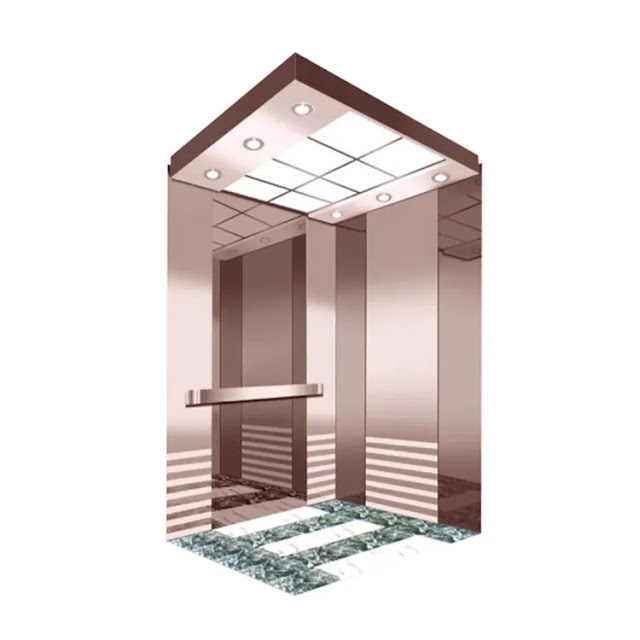
Electric home elevators often feature a modern cabin with:
Clear or frosted panels (glass or acrylic)
LED lighting for ambiance
Non-slip flooring
User-friendly panels with buttons on each floor
Safety handrails for added comfort
Cabin finishes can be customized to match home interiors — from classic wood panels to contemporary stainless steel or minimalist glass for panoramic visibility.
Safety Features That Matter in Home Elevators
Safety is critical in residential lifts. Key protections typically include:
Emergency Stop & Alarm – Allows passengers to halt and signal for help.
Overspeed Protection – Prevents rapid uncontrolled descent.
Door Interlocks – Ensures the elevator won’t move unless doors are fully closed.
Battery Backup – Allows descent to the nearest floor during a power outage.
Smooth Start/Stop Logic – Reduces jolts and increases ride comfort.
These systems help make home elevators safe for people of all ages.
How It Compares to Traditional Stair Hoists or Lifts
Stairs Only – Require physical exertion and may limit mobility for some.
Stair Hoist / Chair Lift – Good for some users but limited for transporting goods.
Small Home Elevator – Offers universal access, carries items and people alike, and integrates seamlessly with home design.
A home elevator is more versatile and dignified than chair lifts or stair climbers, offering a true vertical transportation solution.
Installation Considerations
Proper installation involves:
Site Survey – Evaluate space, structure, and utilities.
Shaft or Guide System Prep – May require minimal structural modification.
Electrical Supply – Dedicated wiring for the lift system.
Safety & Inspection Checks – Ensure compliance with local building codes.
Final Finish – Integration with flooring, walls, and lighting.
Residential elevator installers should coordinate with architects, electricians, and builders to deliver reliable, code-compliant installations.
Customization Options for Your Home
A small home lift can be tailored to your preferences, including:
Cabin Size & Shape – Adjusted to fit your space.
Door Style – Automatic sliding, swing, or bi-fold.
Panel Finish – Wood, metal, glass, or designer laminates.
Control Panel – Standard buttons or touchscreen control.
Lighting Mood – Warm, cool, or accent LEDs.
Flooring Material – Vinyl, tile, wood, or composite finishes.
Customization ensures the elevator complements your interior design and personal style.
Pricing Factors for Residential Home Elevators
Home elevator prices vary based on:
Drive System – Hydraulic lifts may cost more than basic electric rope systems.
Cabin Customization – Materials, finishes, and lighting add value.
Number of Stops – More floors often mean higher installation costs.
Safety Features – Backup systems and advanced sensors add reliability (and cost).
Installation Complexity – Retrofitting existing homes may cost more than new build installations.
Because each home and requirement is unique, pricing is often provided based on a customized quote after a site survey.
Maintenance & Long-Term Reliability
Home elevators are designed for low-maintenance use, but routine servicing is important:
Check control systems and electrical components
Inspect guide rails and lubrication points
Test safety sensors and emergency systems
Verify door interlocks and cabin alignment
A maintenance contract with a professional service provider ensures consistent performance and long service life.
Real-Life Benefits for Homeowners
Convenience – No more stair climbing with heavy loads.
Independence – Elderly or mobility-impaired residents stay active at home.
Safety – Reduced risk of slip-and-fall accidents on stairs.
Aesthetic Appeal – Adds an elegant modern touch to interiors.
Functionality – Ideal for families, guests, and home visitors alike.
Optimal Use Cases
Multi-level Houses – Especially with three or more levels.
Retirement & Accessibility Homes – Enhanced mobility and dignity.
Luxury Villas – Adds convenience and property value.
Smart Home Integrations – Works with home automation systems.
Rental Properties – Desirable amenity for tenants with mobility needs.
Conclusion: Smart, Safe, and Stylish Vertical Mobility
A small home elevator for three floors is more than just a convenience — it’s a lifestyle upgrade. With an electric cabin lift platform, tailored customization, built-in safety systems, and seamless home integration, this vertical transportation solution provides comfort, accessibility, and modern design appeal.
Whether you’re planning new construction or upgrading an existing home, a residential home elevator is an investment in comfort, safety, and long-term home value.
Ready to upgrade your home with a safe, stylish, and efficient elevator?
Click the link below to explore specifications, pricing options, and installation details — and bring convenient vertical mobility to your home today!


Comments
Post a Comment